What if those Schiaparelli dresses had looked like this instead?
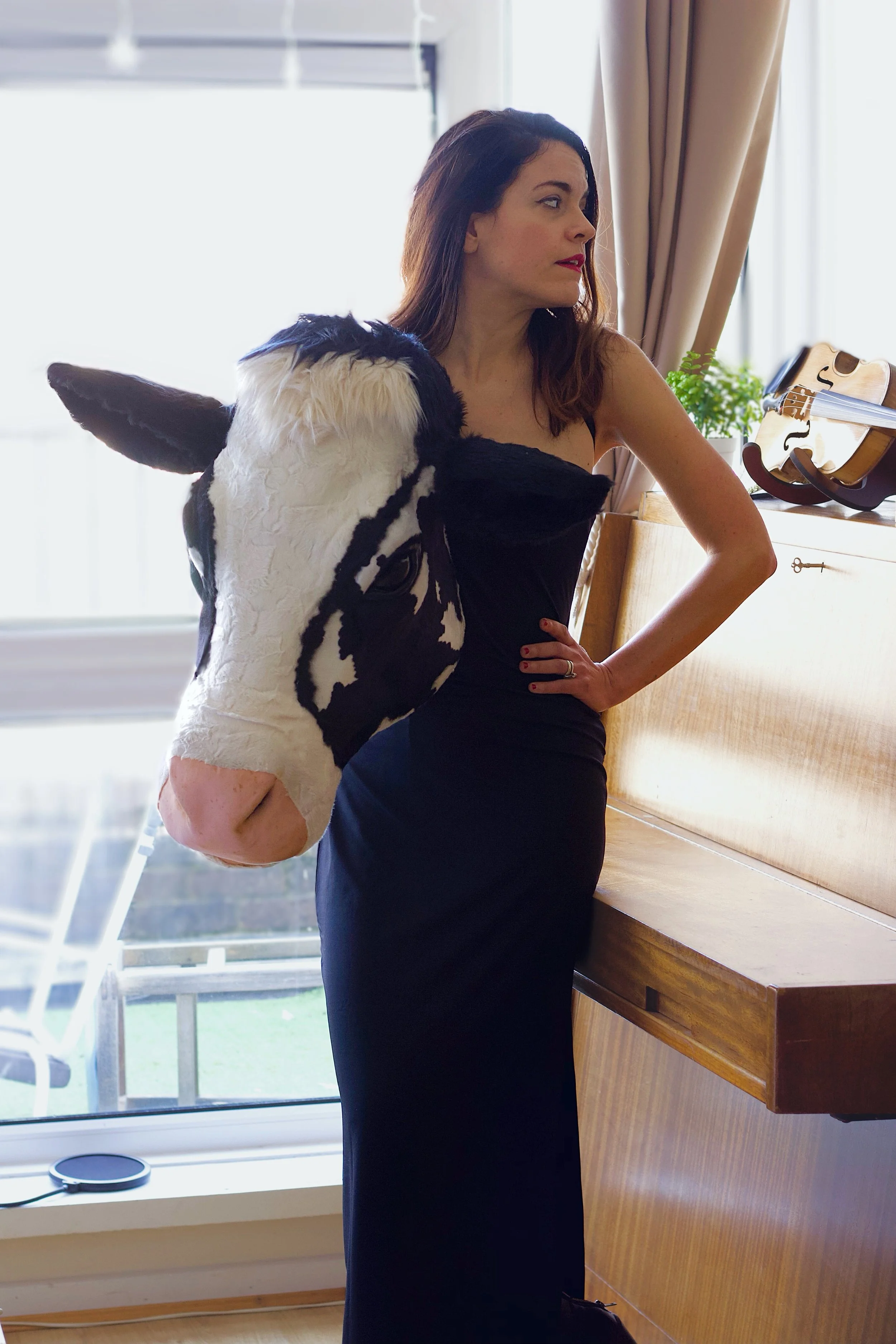
A giant box was delivered to my house this week.
That in itself wasn’t anything new - my husband is mad about music equipment and also likes to build guitars and repair his motorbike. So huge, bulky things are delivered to us on a daily basis. But this one had my name on it.
As I unwrapped the layers of bubble wrap to uncover what looked eerily like an actual cow’s head, I contemplated the realities of my job. Being a professional animal rights activist comes with many WTF moments - in my eight years of being a PR coordinator for one of the world’s biggest animal rights organisations, I have collected enough stories to keep an entire (vegan) dinner party going. And getting an enormous cow head, to be used in a protest later in the week, delivered to my house might just top the list.
Just a few weeks ago, Paris Couture Week was stirred with controversy as Schiaparelli paraded dresses with wild animals’ heads on them down the runway. Kylie Jenner showed up in a lion dress. The fashion world was set ablaze - did this glorify trophy hunting?What did this say about fashion’s approach to conservation? “No animals were harmed!” claimed the brand, puzzlingly proclaiming in the very same Instagram post that the creations were made from wool and silk. But then again, that’s what speciesism - the supremacist belief that some species should be placed above others - is rooted in.
It’s speciesism that leads us to pet our dogs with one hand and shove a piece of dead cow into our mouths with the other. It’s speciesism that hides behind your leather bag slung on top of your “Fur kills!” t-shirt. It’s speciesism that causes you to condemn dog-meat festivals in faraway countries while queuing for fish and chips at your local pub. It’s pervasive, it’s everywhere, it’s part of our societies and ourselves.
As I slipped into the slinky dress with the (surprisingly lightweight) cow’s head attached, I wondered: if Kylie had paraded down that red carpet with a cow on her dress rather than a lion, would the outrage from the world have been the same? “Yes!” argue the vegans in my Instagram comments. But the question isn’t really for them (although I do appreciate their input!). It’s for the many, many people who were more concerned with the replica, the idea of a fictional lion than the actual living, breathing sheep who were probably kicked, hit, stomped on, possibly left bleeding from gashing wounds, and most definitely sent to slaughter when no longer considered useful, for the wool that Schiaparelli’s dresses were crafted from.
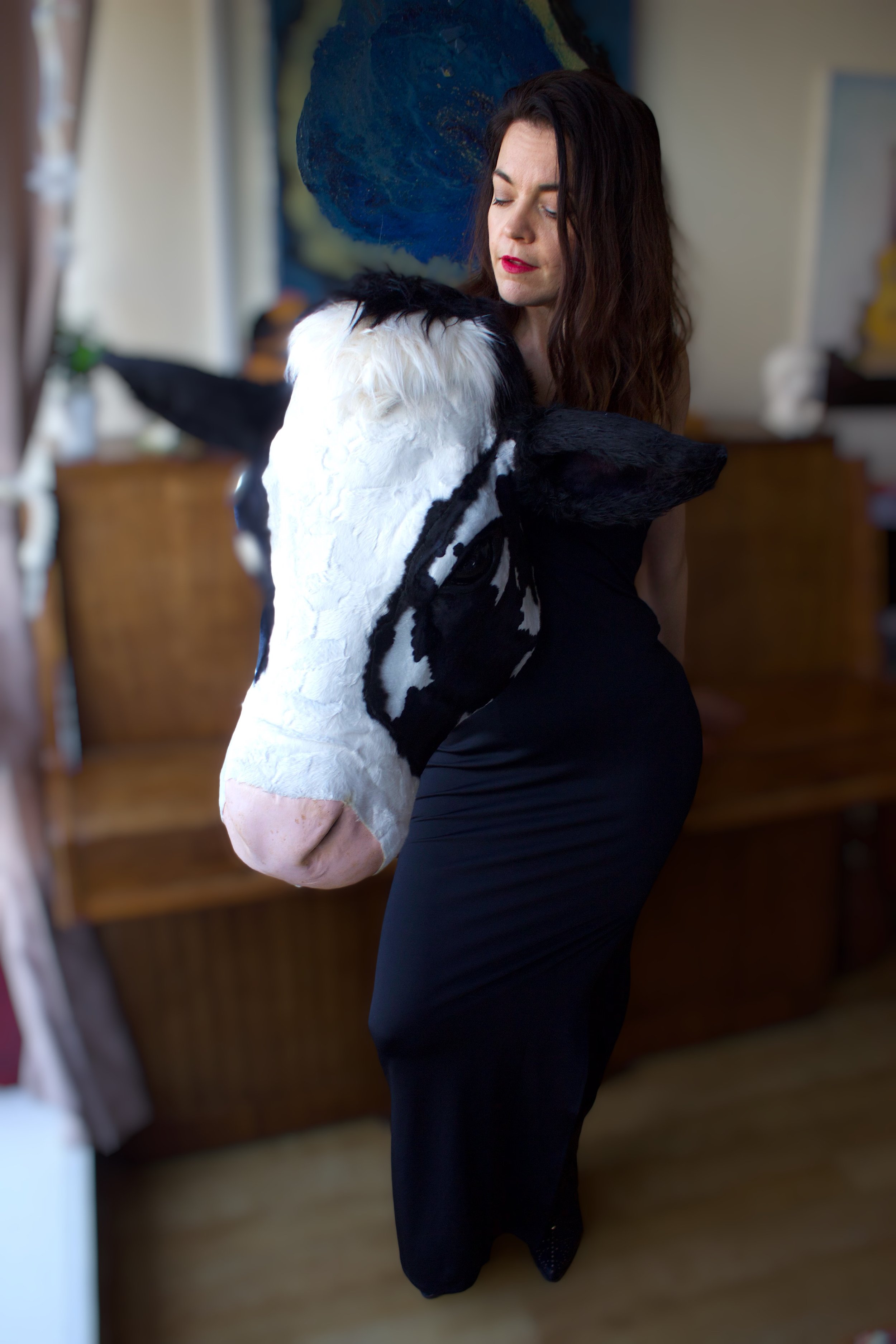
To say “no animals were harmed” in the making of those couture creations implies two things: either you’re painfully uninformed about the realities behind the materials you use...or you just don’t consider sheep to be as valuable as lions. And whichever of the two it is, the Schiaparelli team is certainly not the villain here: both these occurrences are so devastatingly common in the fashion industry that animal rights is still a taboo topic. I interviewed journalist and ethical fashion advocate Tansy Hoskins a while ago, and some of her words stuck with me: “People in the fashion industry still tiptoe a lot around the issue of animal cruelty – it’s okay to talk about the rainforest, it’s okay to talk about human rights, but people still tend to shy away from showing any kind of empathy to other living creatures. This has to change.” This, essentially, is part of why sentient animals continue to be brutalised, exploited and slaughtered by the millions for our vanity.
What if the lion had been a cow? Would you have been outraged? Would you have taken to Twitter to condemn the spectacle? And if so, would it have made you think twice about buying those leather boots or biting into that cow burger?
Photos by David Camilli